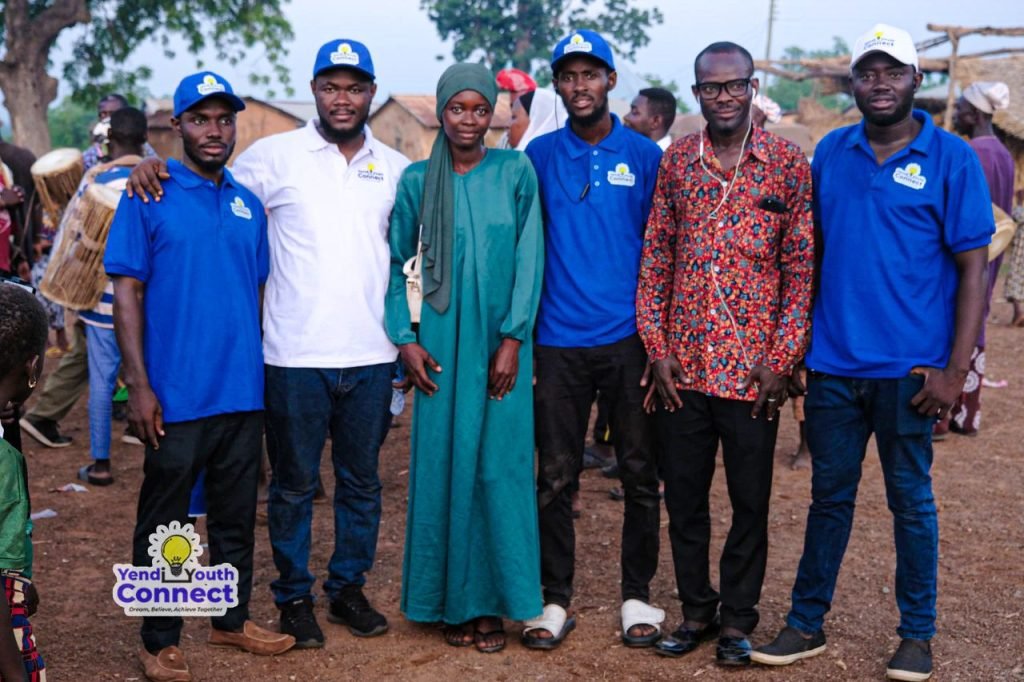
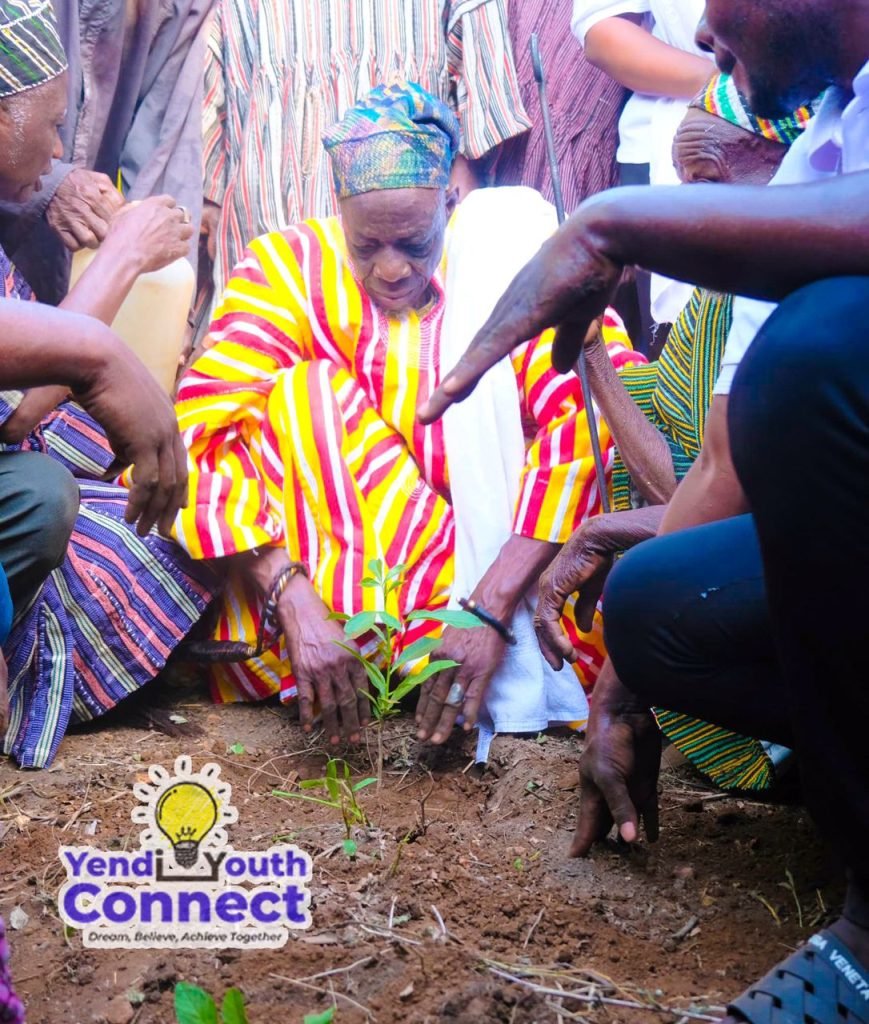
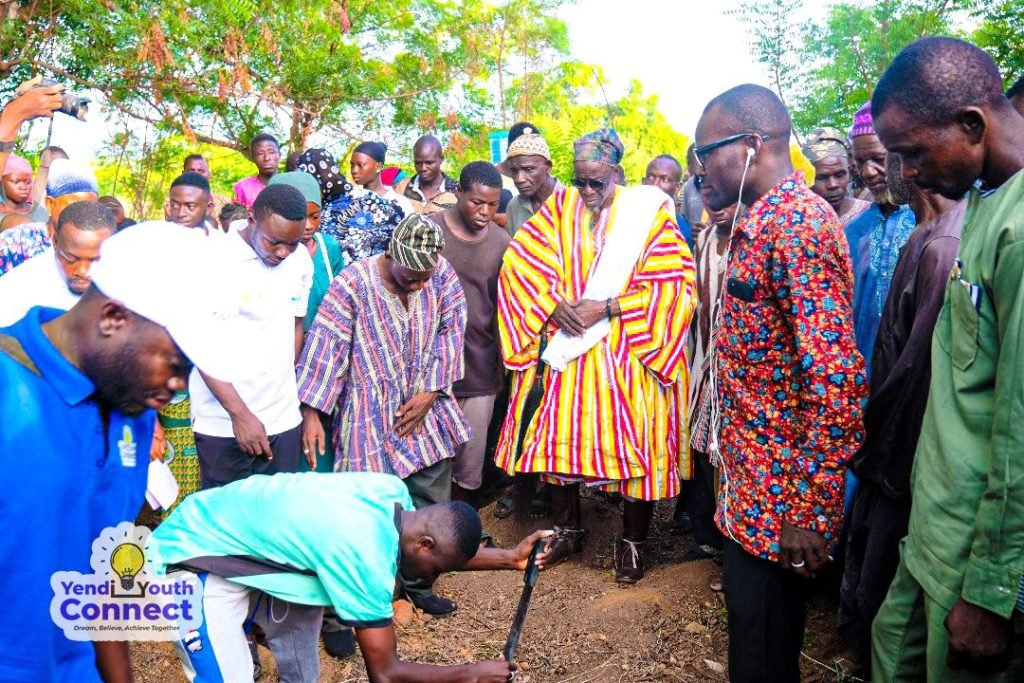
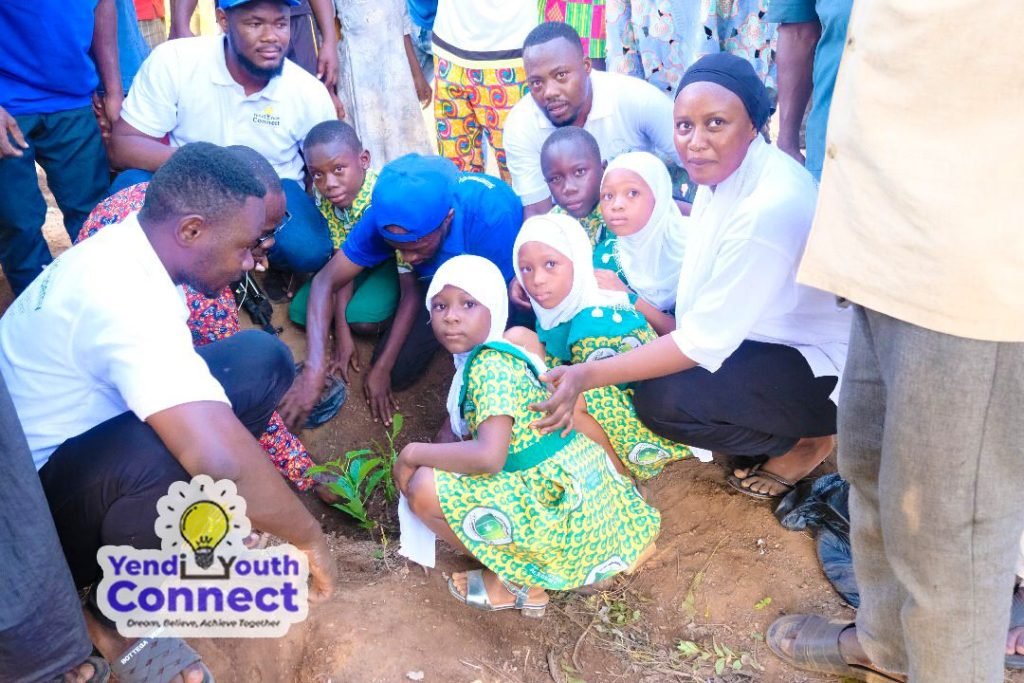
On June 1, 2024, the community of Adibo in the Yendi Municipality marked a significant milestone in cultural preservation and environmental sustainability with the replanting of the historic Adibo Nimoo Tua (Baobab tree) at the Adibo Dali Battlefield. This initiative, led by Yendi Youth Connect (YYC), brought together local leaders, students, and environmental advocates to honor a pivotal chapter in Dagbon history while promoting eco-tourism and community development.
Preserving a Symbol of Resistance
The Adibo Dali Battlefield is an iconic site in Dagbon’s collective memory. Located along the Yendi-Bimbila road, it was the scene of a fierce confrontation between German colonial forces and Dagbon warriors. According to oral tradition, during the heat of the battle, Kambon Nakpema Wahu Ziblim, a legendary Dagbon Army General, climbed a Baobab tree on horseback to pursue retreating German troops. Remarkably, the horse’s hoofprints remained imprinted on the tree for decades until the tree eventually decayed and fell.
This symbolic Baobab, known as the Adibo Nimoo Tua, became a tangible link to the past and a marker of Dagbon’s resistance against imperialism. Recognizing its cultural and historical importance, Yendi Youth Connect initiated efforts to replant a new Baobab tree at the same battlefield site.
A Ceremony of Unity and Purpose
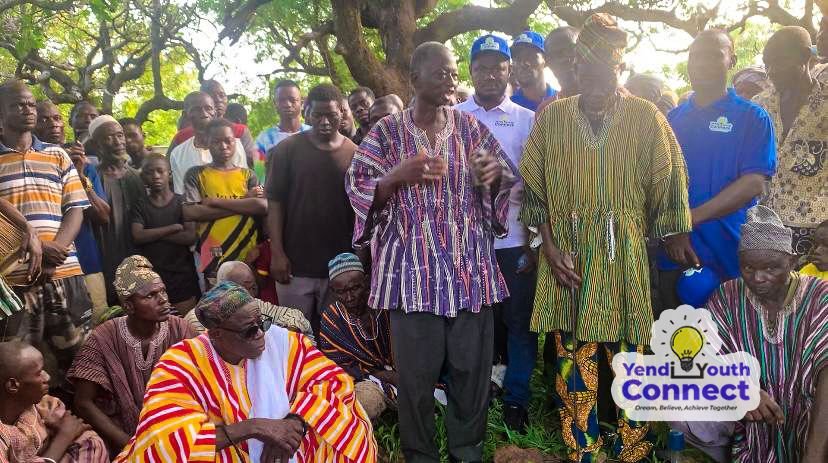
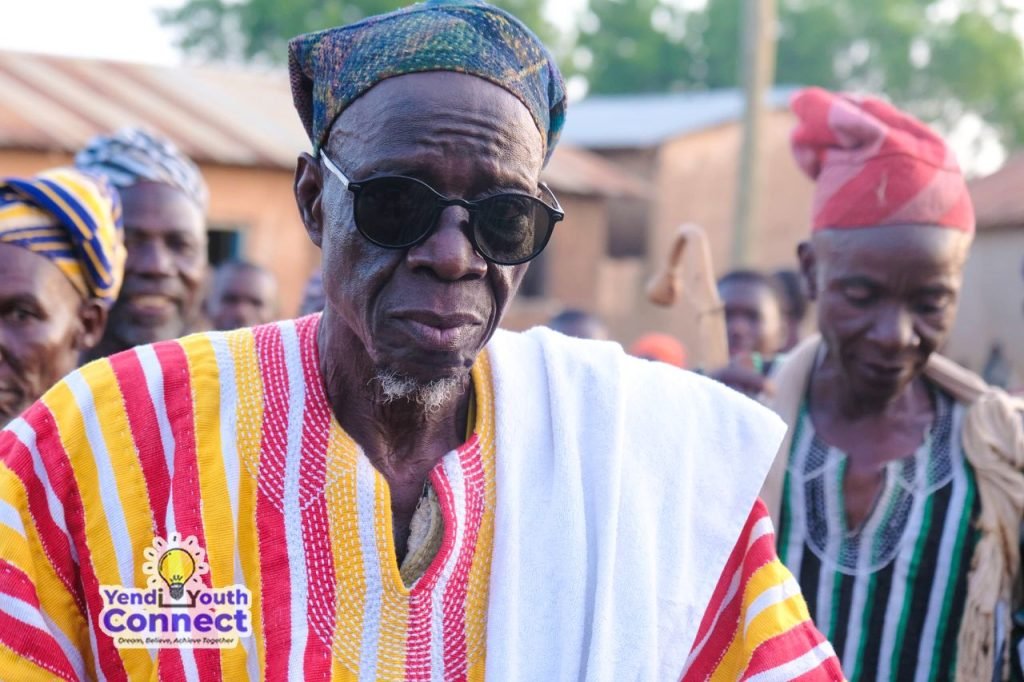
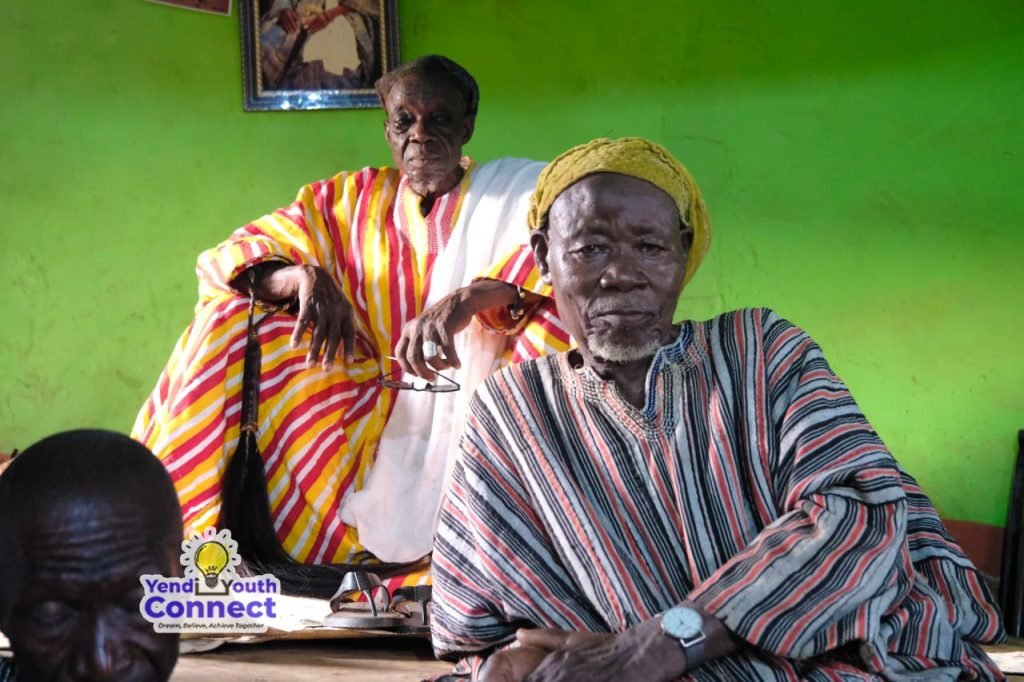
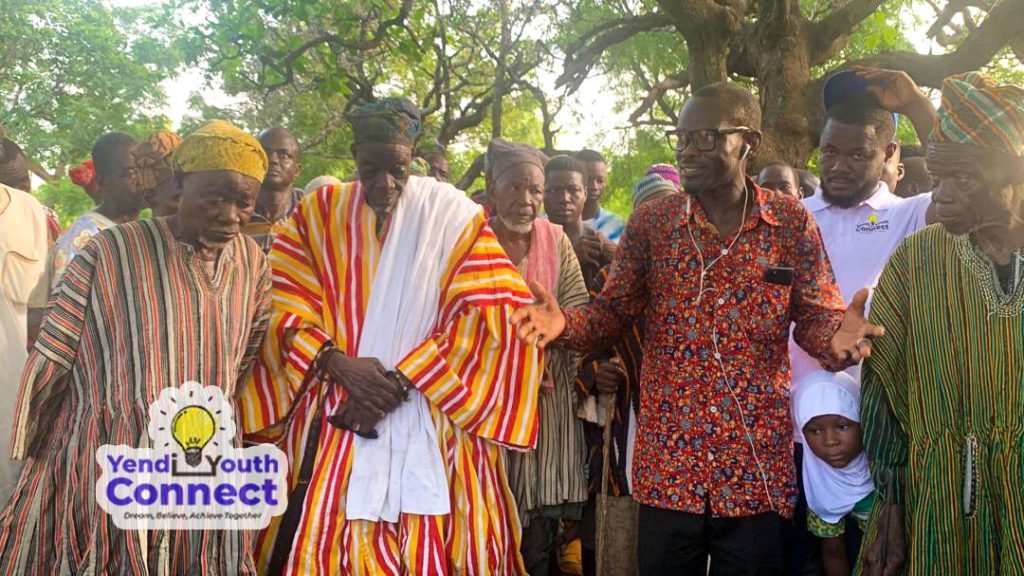
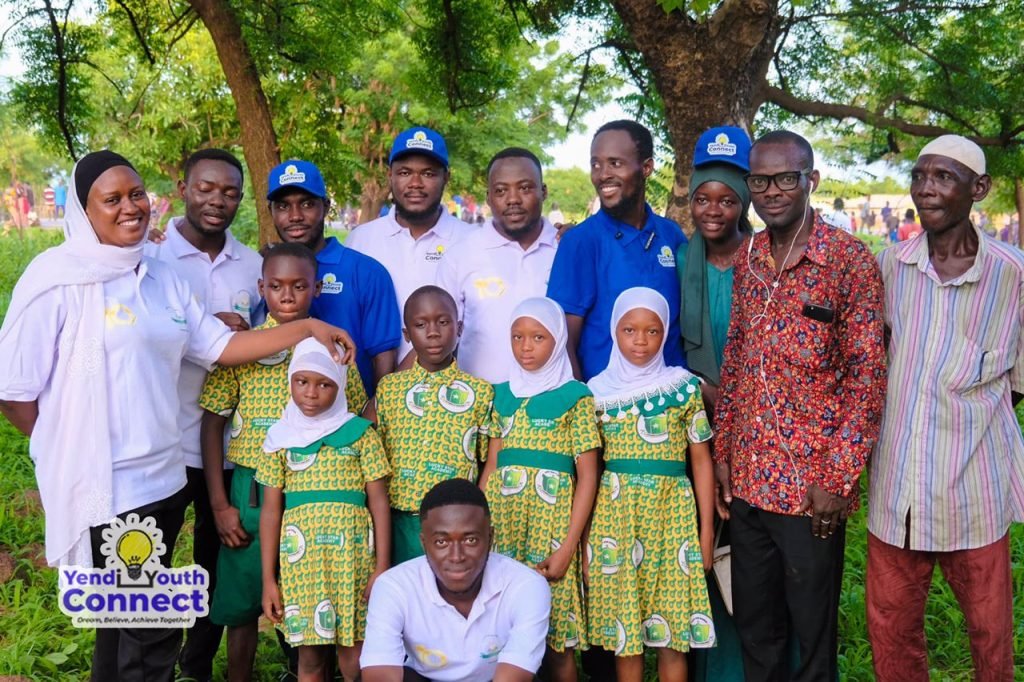
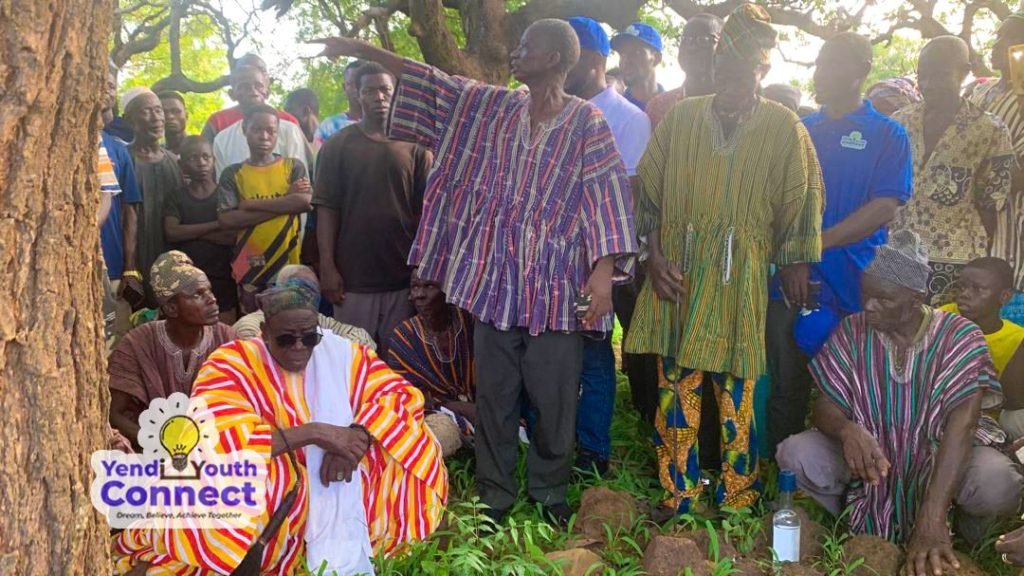
The replanting ceremony was a momentous occasion, attended by the Chief of Gbungbaliga, the Kambon Naa of Zugu, the Assemblyman of Adibo, Hon. Sulemana, representatives of Yendi Youth Connect, students and staff of Lucky Star Academy, and community members. The event was marked by reflections on history, expressions of community pride, and a shared vision for the future.
Prominent historian and former Director of the National Commission for Civic Education (NCCE) in Yendi, Alhaji Gonji, provided a vivid recounting of the Adibo Dali battle. He emphasized the battlefield’s significance in Dagbon’s narrative of resistance and called on the community to cherish and protect their heritage.
A Vision for Sustainable Tourism
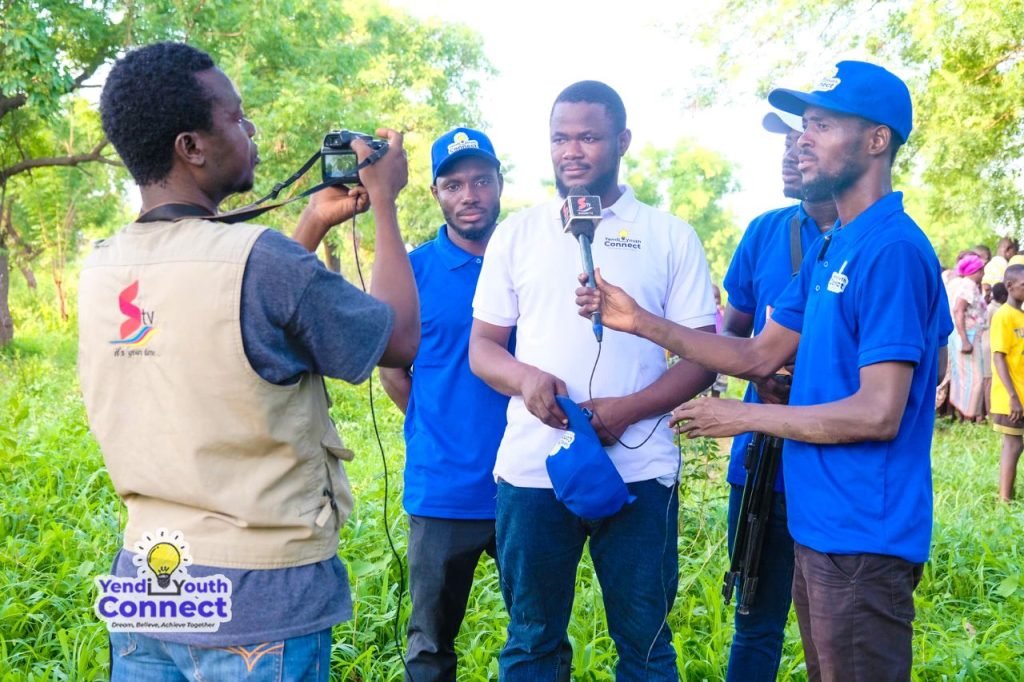
Abdul-Latif Umar, Executive Director of Yendi Youth Connect, articulated a bold vision for transforming the Adibo Dali Battlefield into a vibrant eco-tourism park. He proposed a comprehensive site development plan that includes the newly planted Baobab tree, the strategic hill used by Dagbon warriors, the tomb of Kambon Nakpema Wahu Ziblim, and the local community dam.
According to Umar, the envisioned eco-tourism park would not only serve as a memorial to past heroes but also become a recreational and educational center. It would feature indigenous trees, picnic areas, spaces for community events, and opportunities for activities such as kayaking. Additionally, an annual commemoration of the Adibo battle could become a cultural highlight, attracting local and international visitors while stimulating the local economy.
The Chief of Gbungbaliga endorsed this initiative, pledging to release land for the project. Similarly, Assemblyman Hon. Sulemana committed to organizing the first official celebration of the Adibo Dali War anniversary in December.
Partnership and Community Support
The success of the replanting effort was made possible by the collaboration of multiple stakeholders. Eco Restore, an indigenous tree nursery enterprise, donated the Baobab seedling and pledged to provide additional native tree species to support the future eco-park.
Students and staff of Lucky Star Academy, who participated actively in the planting exercise, played a crucial role in raising environmental awareness. Mr. Abdul Rauf, the school’s Finance Officer, encouraged households to participate in tree planting activities as part of the school’s wider Green Yendi campaign. This initiative forms a core aspect of Lucky Star Academy’s 10th-anniversary celebrations and underscores their commitment to environmental stewardship.
Honoring Contributors and Strengthening Community Bonds
Special acknowledgments were extended to the Adibo Assemblyman, the Chief of Gbungbaliga, and the broader Adibo community for their hospitality and support. The presence of the CEO, staff, and students of Lucky Star Academy was praised for reinforcing the spirit of civic responsibility and environmental action.
Alhaji Gonji’s historical account provided the necessary context that enriched the significance of the replanting event, reminding all present of the enduring legacy of their forebears.
A New Chapter in Adibo’s Legacy
The replanting of the Adibo Nimoo Tua marks a new beginning in the preservation of Dagbon’s rich cultural heritage. It also symbolizes the power of youth-led initiatives in driving sustainable development. As plans progress toward establishing the Adibo Dali Eco-Tourism Park, there is renewed hope that this site will become a source of education, reflection, economic opportunity, and cultural pride.
The success of this initiative is a testament to what is possible when communities unite around shared values and goals. It also serves as a call to action for other communities across Northern Ghana and beyond to document, preserve, and promote their unique histories.
As Yendi Youth Connect and its partners continue to nurture the vision of a greener, prouder, and more prosperous Yendi, the story of the Adibo Nimoo Tua replanting stands as a beacon of resilience, unity, and hope for future generations.