Yendi, Northern Region — In a bold move to address the growing sanitation crisis in the Yendi Municipality, the youth-led nonprofit Yendi Youth Connect (YYC) officially launched its flagship initiative, the CleanUP Yendi Project, last week with a pilot intervention in Kumfong. The three-day exercise, which ran from July 24 to 26, 2025, combined community education, religious engagement, and a mass clean-up operation to lay the groundwork for sustainable, community-owned sanitation reform.
The initiative, according to organizers, draws from global best practices such as Community-Led Total Sanitation (CLTS) and Behavior Change Communication (BCC), tailored to meet the unique socio-cultural context of Yendi. The pilot project focused on Kumfong—a densely populated residential zone that has long battled with open defecation, refuse mismanagement, and unregulated household sewage disposal.
“Yendi’s sanitation problem is not just a matter of waste; it’s a matter of mindset, systems, and leadership. We believe real change must come from within the community,” said Mubarak Yahaya, a founding member of Yendi Youth Connect, during an opening address on Day 1 of the pilot.
Community Sensitization Begins With Honest Conversations
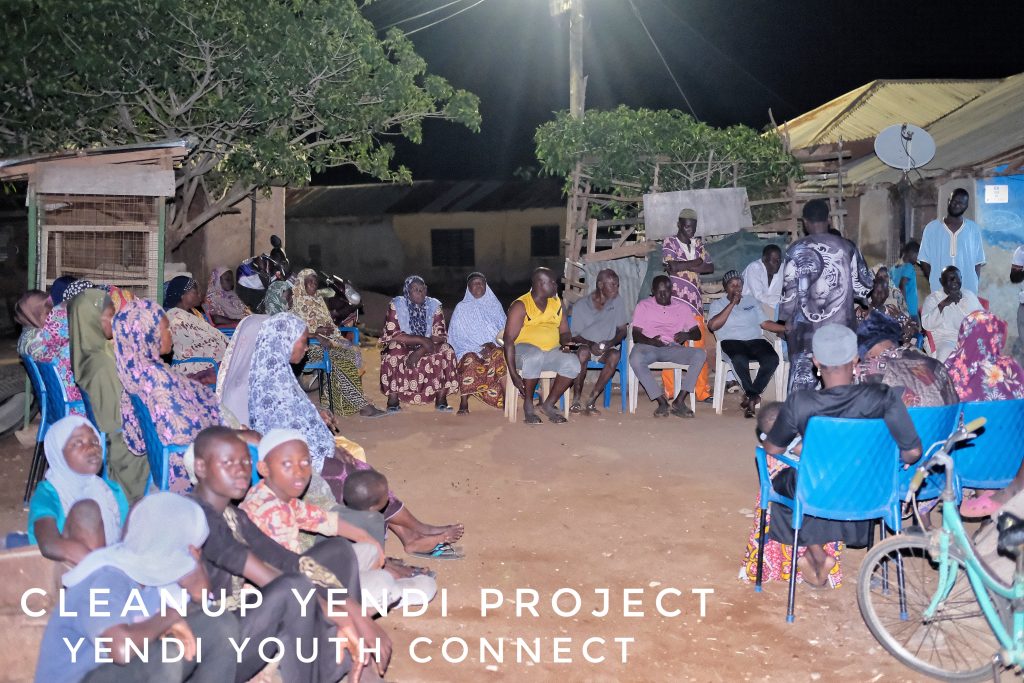
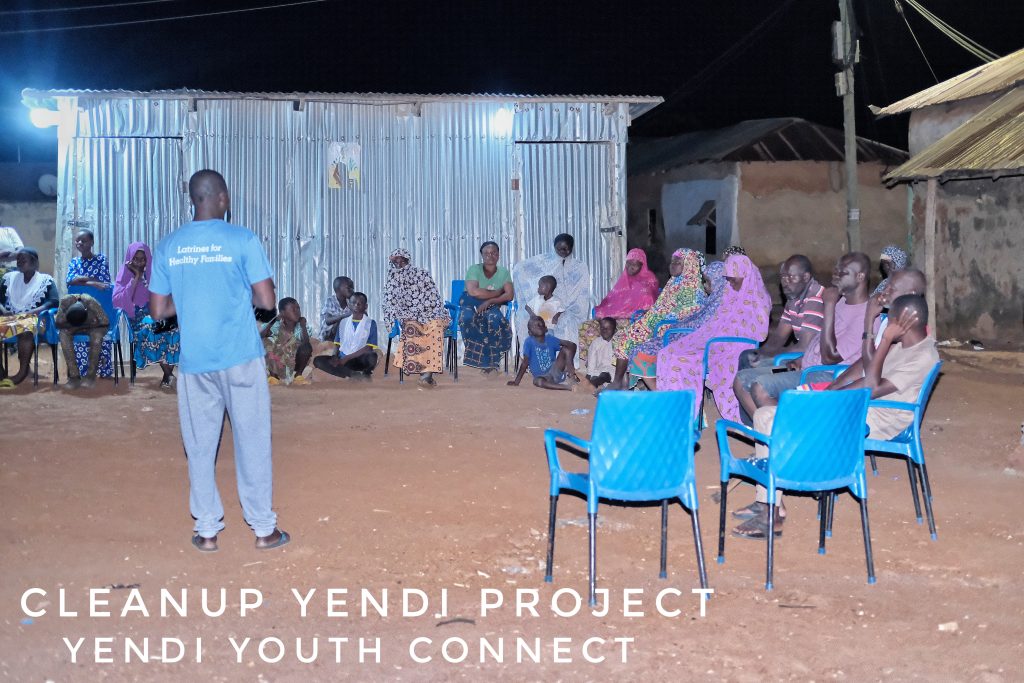
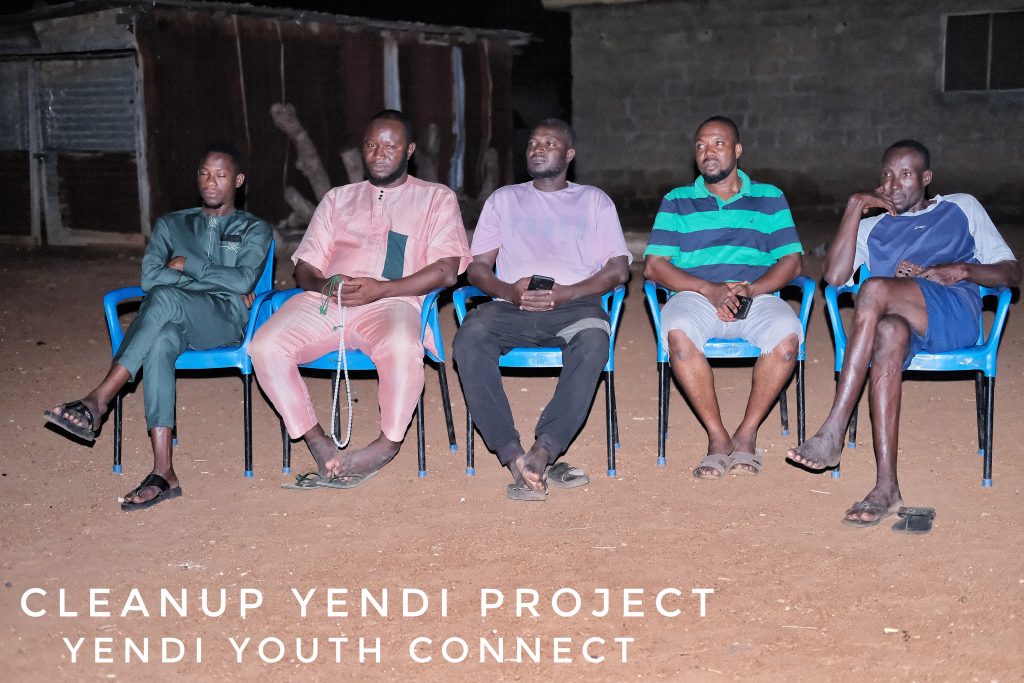
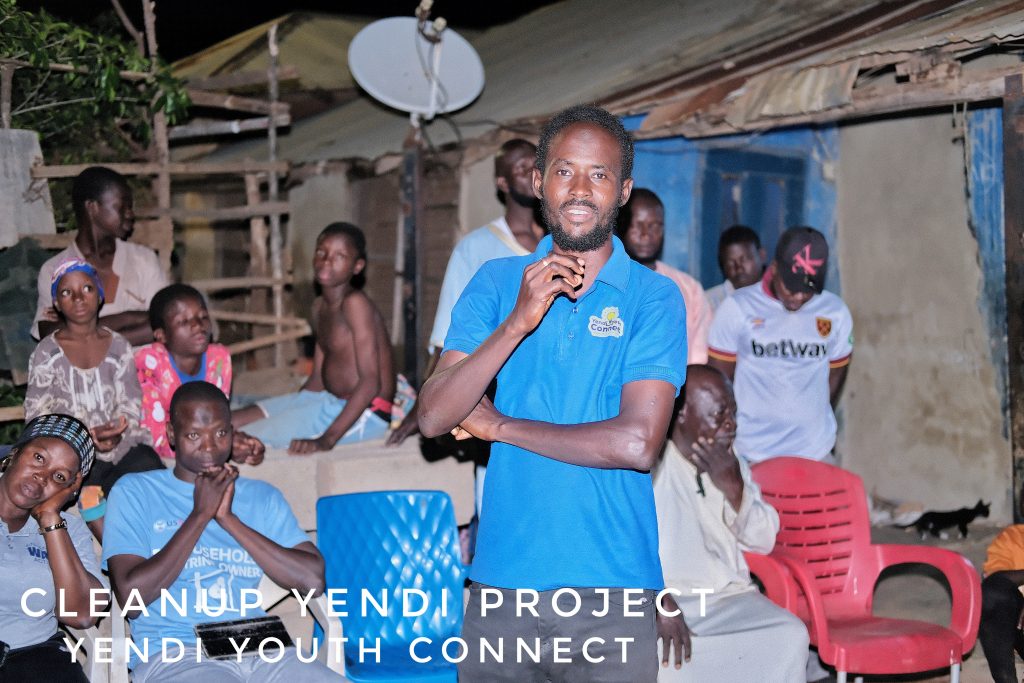
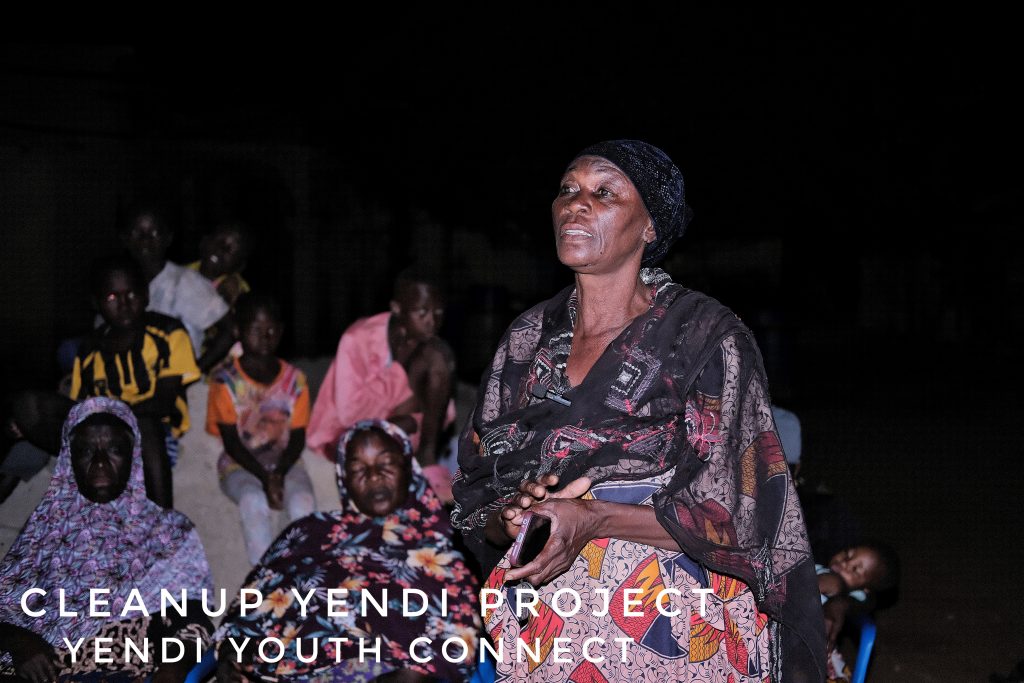
The launch began with two consecutive nights of community forums, held on July 24 and 25. Residents—comprising household heads, religious leaders, youth, and women—gathered to engage in frank discussions about the impact of poor sanitation on public health, dignity, and development.
The sessions were moderated by Mr. Rashad Zakari and Mr. Dagara, both known community influencers and hosts of the civic platform This Is Yendi. The forums featured presentations from Mr. Alhassan Bukari of the Yendi Environmental Health Unit, who served as the resource person. He educated the audience on sanitation-related bylaws, the dangers of waterborne diseases, and how communal neglect has long worsened sanitation woes.
“Children continue to defecate in open spaces around public toilets not because they are stubborn, but because these facilities are not designed for them. It’s time we involve everyone—from imams to market women—in fixing this,” Mr. Bukari told participants.
Mosque-Based Education and Faith-Driven Messaging
In the lead-up to the clean-up exercise, YYC also partnered with three local mosques, encouraging imams to deliver brief sanitation-focused sermons after Maghrib prayers. This faith-based approach amplified the messaging and tapped into the influence of religious leaders to promote hygiene, discipline, and shared responsibility.
“We must remember,” said one imam during his address, “that cleanliness is half of faith. If we let our homes and gutters decay, we are not just failing our families—we are failing God.”
Cleanup Exercise Shows Community Spirit in Action
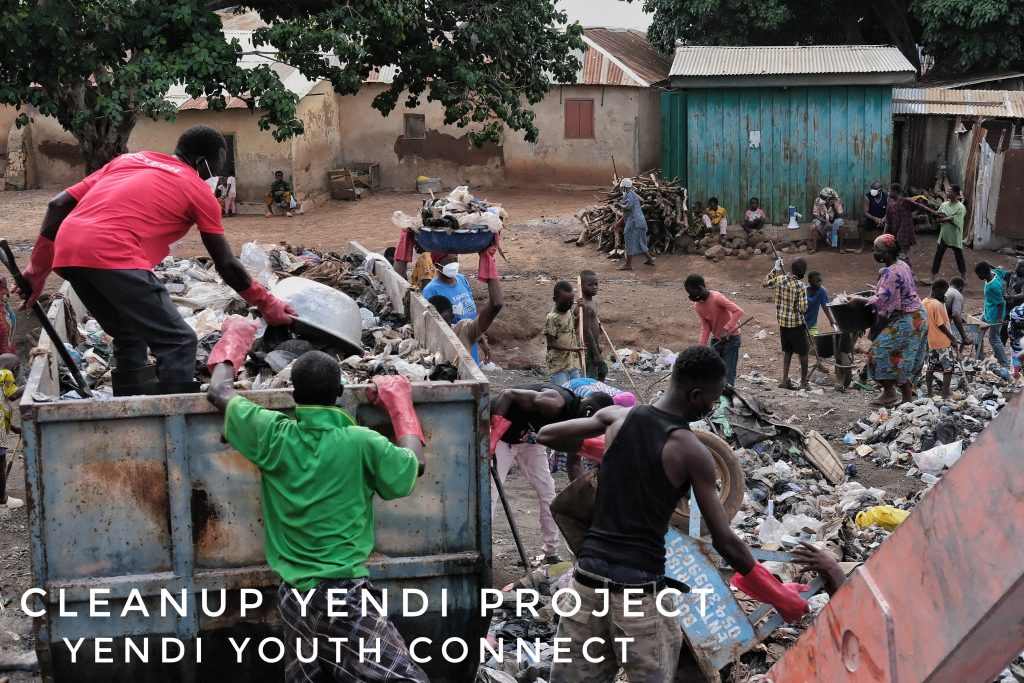
The pilot climaxed on the morning of Saturday, July 26, as residents came out in impressive numbers to clean the area. From 6:00 AM to 10:00 AM, volunteers removed waste from drainage systems, cleared illegal refuse dumps, and swept across household surroundings in Kumfong.
The operation was supported logistically by Zoomlion Ghana Ltd, whose Yendi Branch Manager, Mr. Clement, provided cleaning tools and waste collection equipment. The Yendi Environmental Health Directorate, under the leadership of Mr. Yahaha, deployed sanitation officers to supervise and offer guidance.
Local volunteers were visibly energized by the presence of YYC leaders, Zoomlion staff, and health officers working hand in hand with them.
Calls for Public Toilet Reform and Sanitation Accountability
Beyond the immediate clean-up, one of the most significant ideas that emerged during the sensitization process was the need to restructure public toilet management in Kumfong and across Yendi. Currently, these facilities are assigned to caretakers based on political affiliations and lack transparency in revenue collection.
According to estimates shared during the forum, the five public toilets in Kumfong generate approximately GHS 300 per day, yet these funds do not go back into maintaining the facilities or improving sanitation in the area.
YYC proposed the formation of a Community Sanitation Committee with a registered bank account to oversee all public toilet revenue and reinvest it into:
- Hiring sanitation staff with fixed contracts
- Subsidizing household toilet construction
- Purchasing and distributing waste bins to homes
“With over GHS 100,000 potentially generated annually, imagine what we could do if that money stayed in the community,” said Mr. Yahaya.
What’s Next for CleanUP Yendi?
Following the successful pilot in Kumfong, YYC plans to expand the CleanUP Yendi initiative to other parts of the municipality. Future phases will explore setting up a youth-led waste collection business using a motor tricycle, building stronger partnerships with sanitation entrepreneurs like Sama Sama Ghana, and lobbying the Municipal Assembly to officially recognize the proposed Sanitation Committee model.
YYC also aims to implement monitoring and storytelling systems, including biweekly household visits and documentation of behavior change, to assess long-term impact and attract external funding for scale-up.
“This pilot showed us what’s possible when people come together for a common purpose,” said Mr. Zakari. “We’re not just cleaning streets—we’re building a cleaner future.”